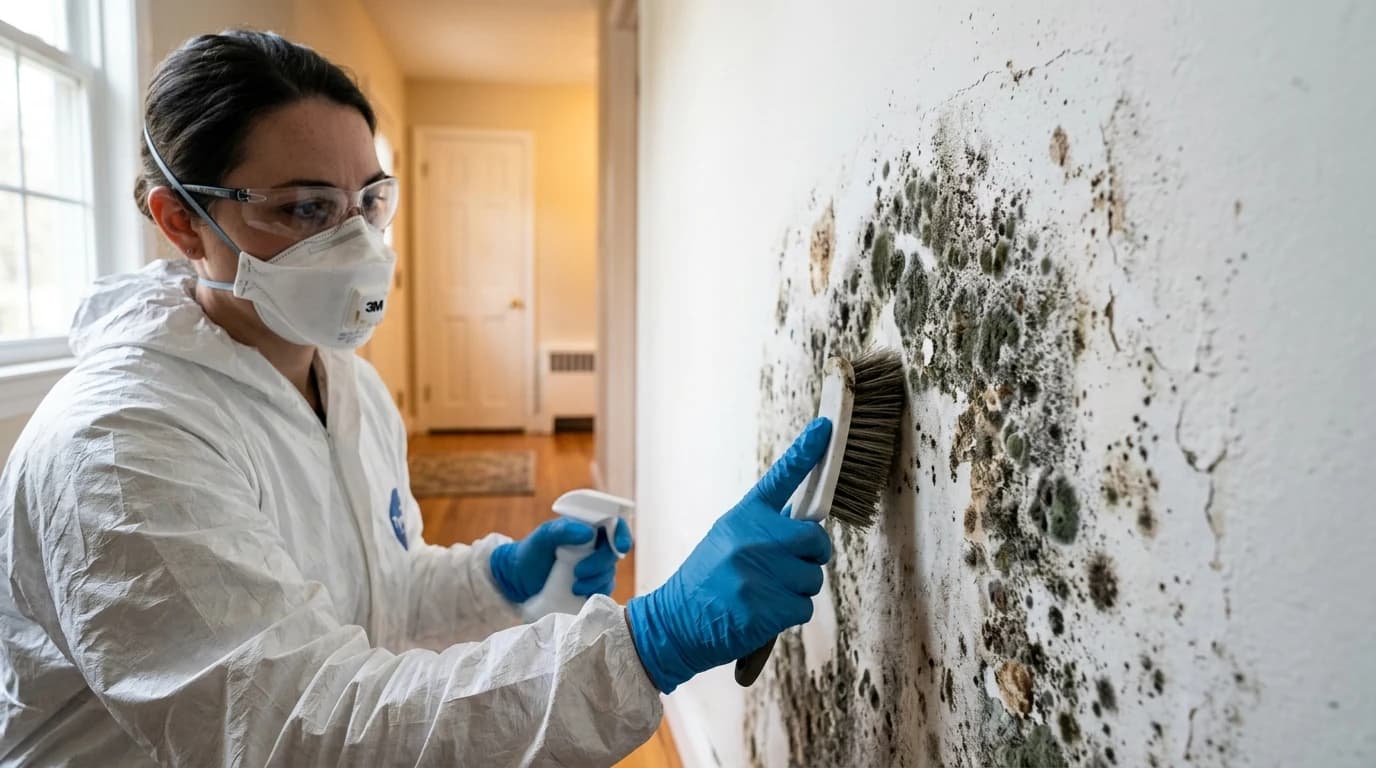
What are the common indicators of mold?
Mold typically manifests as dark spots on walls, ceilings, or floors. It may also appear as a fuzzy or slimy growth. Often, a musty odor accompanies these visual signs. This odor can be particularly noticeable in enclosed spaces like basements or attics. Early detection is crucial to prevent extensive damage and health risks, such as respiratory issues or allergic reactions. Homeowners in Franklin Lakes should pay attention to any sudden changes in indoor air quality or visible discoloration on surfaces. Regular inspections of less visible areas, such as behind furniture or inside closets, can help catch mold before it spreads. Additionally, checking for signs of water damage, like peeling paint or wallpaper, can indicate underlying mold problems.
How can moisture lead to mold growth?
Moisture is a primary catalyst for mold growth. Leaking pipes, high humidity levels, or water intrusion from storms can create conducive environments for mold. In Franklin Lakes, where seasonal weather variations can lead to increased humidity, it is essential to monitor indoor moisture levels closely. Regularly checking areas prone to moisture, such as basements and bathrooms, can help in early identification. Using a dehumidifier can effectively manage humidity, keeping it below 60%, which is critical in preventing mold. If you notice condensation on windows or walls, it may be a sign of excess moisture. Addressing leaks promptly and ensuring proper ventilation in kitchens and bathrooms can significantly reduce the risk of mold. If you suspect mold due to moisture issues, consulting our services can provide a professional assessment. Our experts can identify potential problem areas and suggest targeted solutions to mitigate mold risks.
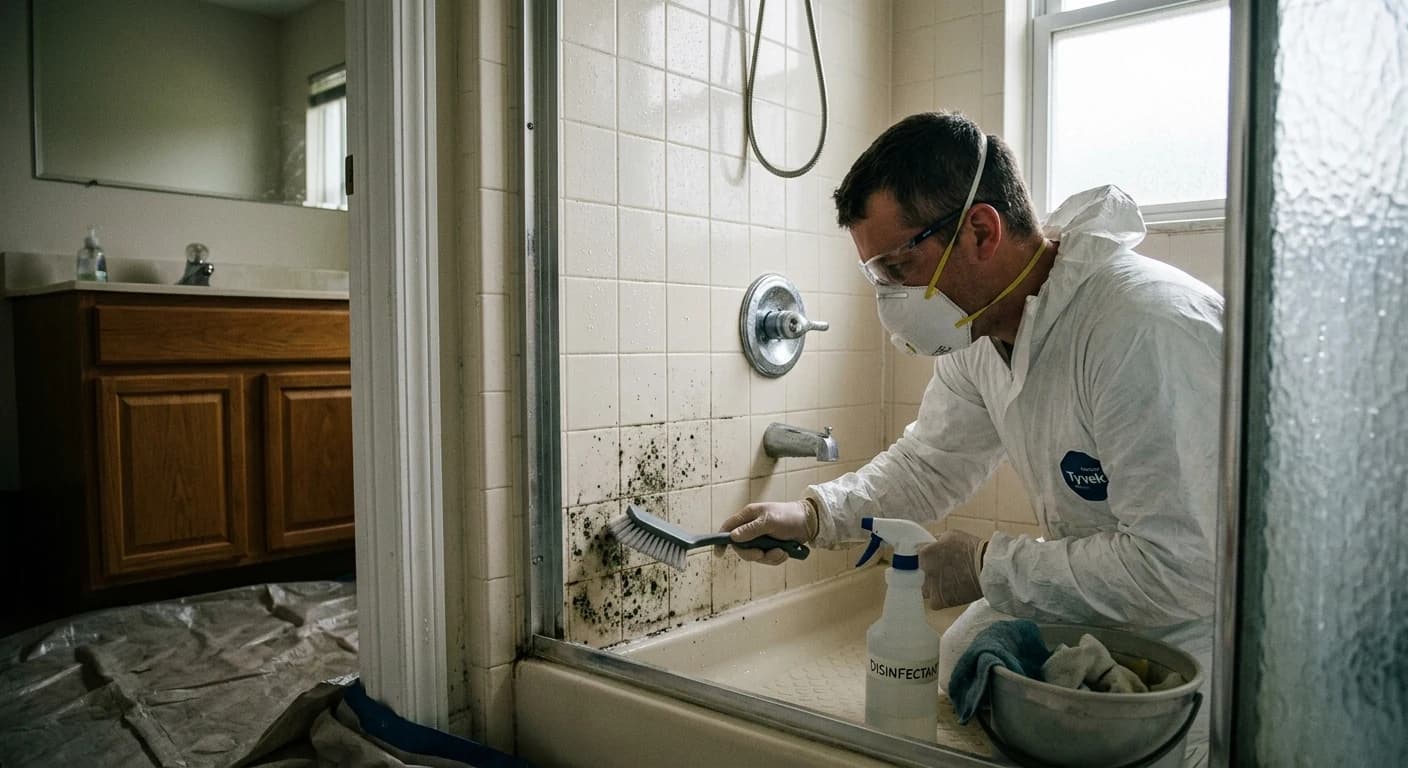
Should you be concerned about small mold patches?
Even small mold patches can spread quickly and become a significant issue. Mold spores are microscopic and can easily become airborne, traveling through the air ducts and affecting air quality throughout your home. Ignoring minor signs can lead to the mold affecting larger areas, becoming more challenging and costly to remove. It's advisable to address any indication of mold promptly to avoid potential health issues and structural damage. Small patches can often be treated with household cleaners, but it's crucial to ensure that the underlying moisture issue is resolved. For persistent or large mold infestations, professional removal is recommended to ensure complete eradication and prevent recurrence. In Franklin Lakes, where homes may have older structures, routine maintenance checks for mold can help preserve property value and ensure a healthy living environment.
What tools and methods can help in mold detection?
Detecting mold early can save homeowners from extensive damage and costly repairs. One effective method is using a moisture meter, which measures the moisture content of building materials. High readings can indicate areas prone to mold growth. Thermal imaging cameras can also help by identifying temperature variations that suggest moisture accumulation. For those who prefer simpler tools, a flashlight and a keen nose can be just as effective. Shine the light across surfaces at an angle to spot any unusual textures or colors. Additionally, pay attention to any musty odors, especially in areas with poor ventilation. Mold test kits available at hardware stores can provide preliminary results, but for accurate identification, professional testing is recommended. In NJ, where humidity can vary, maintaining regular checks using these tools can be particularly beneficial. Remember, early detection not only protects your home but also safeguards your family’s health.
How can regular maintenance prevent mold issues?
Regular maintenance is key to preventing mold issues before they start. Begin by ensuring that your home’s gutters and downspouts are clear and functioning properly to direct water away from the foundation. Check the roof for any leaks or missing shingles that could allow water to enter. Inside the home, regularly inspect plumbing fixtures and appliances for leaks. Bathrooms and kitchens are particularly susceptible to moisture buildup, so make sure they are well-ventilated. Use exhaust fans during and after showers or cooking to reduce humidity levels. Seal any cracks in walls or floors to prevent water intrusion. Additionally, schedule annual HVAC inspections to ensure that your air conditioning system is working efficiently to control indoor humidity. In regions like Franklin Lakes, where weather can be unpredictable, these preventive measures are crucial. By incorporating these maintenance practices into your routine, you can significantly reduce the risk of mold development and maintain a healthy living environment.
What should you do if you find mold?
If you discover mold in your home, it’s important to act quickly to prevent it from spreading and causing further damage. Start by identifying the source of moisture that is contributing to mold growth. This could be a leaky pipe, a roof leak, or even high humidity levels. Fixing the moisture problem is crucial to prevent mold from returning after cleanup. Once the source is addressed, you can begin the cleanup process. For small areas, you can use a mixture of water and detergent to scrub the mold off surfaces. Be sure to wear protective gear, such as gloves and a mask, to avoid inhaling mold spores. For larger infestations, or if the mold is located in hard-to-reach areas, it may be best to hire a professional mold remediation service. They have the tools and expertise to safely and effectively remove mold. In Franklin Lakes, where older homes may have hidden mold issues, professional assessment can provide peace of mind and ensure thorough remediation. After removal, consider using mold-resistant products, such as paints and sealants, to protect against future growth.
How to prevent mold in basements and attics?
Basements and attics are particularly vulnerable to mold due to their tendency to trap moisture and lack of ventilation. To prevent mold in these areas, start by ensuring they are well-ventilated. Install vents or fans to improve air circulation and reduce humidity levels. In basements, consider using a dehumidifier to maintain a humidity level below 60%. Regularly inspect these spaces for leaks or water intrusion, especially after heavy rain. Seal any cracks in the foundation or walls to prevent water from entering. In attics, ensure that roof vents are not blocked and that insulation is properly installed to prevent condensation. Check for signs of roof leaks and repair them promptly. Additionally, avoid storing cardboard boxes directly on basement floors, as they can absorb moisture and become breeding grounds for mold. Instead, use plastic bins with lids to keep items dry and protected. By taking these preventive measures, you can significantly reduce the risk of mold growth in these often-overlooked areas of your home, ensuring a healthier living environment for you and your family.
How to Address Mold in HVAC Systems?
Mold in HVAC systems can significantly impact indoor air quality and exacerbate health issues such as allergies and asthma. To address mold in your HVAC system, start by regularly replacing or cleaning air filters. Dirty filters can trap moisture and provide a breeding ground for mold. Opt for high-efficiency particulate air (HEPA) filters, which are designed to capture mold spores and other allergens. It's also crucial to ensure that your HVAC system is properly sized for your home. An oversized unit may cool too quickly without adequately dehumidifying the air, leading to moisture buildup. Schedule routine maintenance checks with a professional to clean the coils and ducts, as mold can easily grow in these areas if left unchecked. During these inspections, technicians can also check for any leaks or condensation issues that might contribute to mold growth. If you notice a musty odor when your HVAC system is running, it could be a sign of mold presence. In such cases, professional cleaning and duct sealing may be necessary to prevent mold spores from circulating throughout your home. By maintaining your HVAC system, you can improve air quality and reduce the risk of mold-related problems.
Understanding the Health Risks of Mold Exposure
Mold exposure can lead to a variety of health issues, particularly for those with pre-existing respiratory conditions, allergies, or weakened immune systems. Common symptoms of mold exposure include nasal congestion, coughing, throat irritation, and skin rashes. In more severe cases, individuals may experience difficulty breathing or develop chronic respiratory illnesses. It's important to recognize these signs early, especially if they coincide with visible mold growth in your home. Children and the elderly are particularly vulnerable to the effects of mold, making it crucial to address any mold issues promptly. If you suspect that mold is affecting your health, consult with a healthcare professional for a proper diagnosis and treatment plan. Additionally, consider having your home tested for mold to identify and address the source of exposure. In areas like Franklin Lakes, where seasonal humidity can fluctuate, maintaining a dry and well-ventilated home environment can help mitigate these health risks. Implementing preventive measures, such as using air purifiers and maintaining proper ventilation, can significantly improve indoor air quality and protect your family's health from the adverse effects of mold.